Morel Acudamp MAT SPK6 Review: Speaker Seal Strips and Backwave Pads for Door Speakers

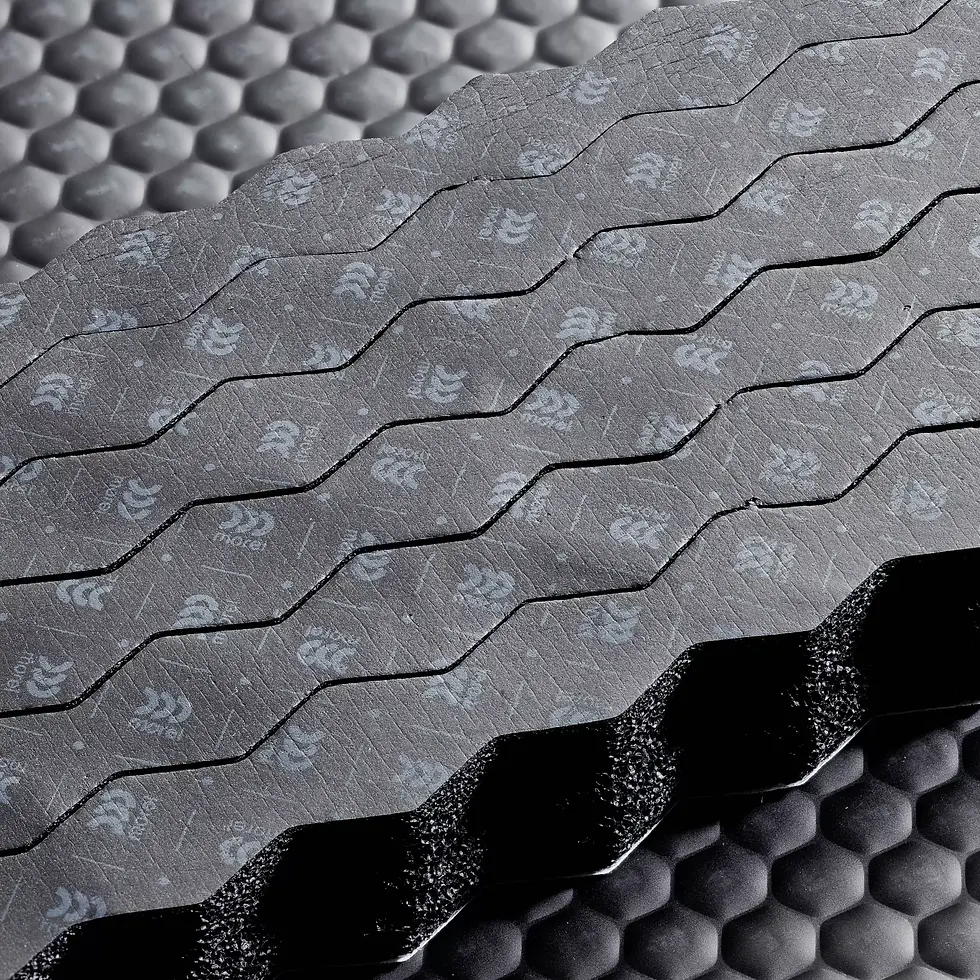
The Morel Acudamp MAT SPK6 is a speaker sealing kit rather than a damping sheet: six closed-cell butyl strips and six backwave pads that, in our listing's words, improve the seal between your speakers and the door panels. Each strip measures 25.4 x 19 x 685 mm and each pad 6 x 114 x 165 mm. At ₹4,990 MRP it is the least expensive Acudamp product we list, and it suits anyone fitting new door speakers who wants the front of the speaker sealed to the trim and the space behind it treated. See it on our Morel Acudamp MAT SPK6 product page.

Quick summary
Six closed-cell butyl strips (25.4 x 19 x 685 mm) and six backwave pads (6 x 114 x 165 mm) per kit.
Listed for speaker sealing; our listing says it helps reduce noise and distortion and improves bass, a claim we haven't seen independently tested.
It complements damping mats rather than replacing them: the mats treat the metal, this kit treats the speaker's surroundings.
We found no owner reviews when we checked in October 2026.
Morel Acudamp MAT SPK6 specifications
Specification | Morel Acudamp MAT SPK6 |
|---|---|
Type | Speaker seal kit |
Material | Closed-cell butyl |
Strips | 6, each 25.4 x 19 x 685 mm (1 x 3/4 x 27 in) |
Backwave pads | 6, each 6 x 114 x 165 mm (1/4 x 4.5 x 6.5 in) |
Speaker sizes | Not listed |
India MRP | ₹4,990 |
Figures come from our store listing; OnlineCarStereo and Frankies Auto Electrics list the same six strips and six pads, though both print the strip size as 254 x 190 mm, which looks like a slipped decimal point. Morel's own MAT SPK6 product page wasn't loading when we checked.
What the strips and pads do
A door speaker produces sound from both sides of its cone. The front wave should go out through the door-card grille, and the rear wave should stay inside the door. Any gap between the speaker and the trim panel lets the front wave leak into the space behind the trim, where it meets the rear wave and cancels some of the midbass. The strips are there to close that gap, forming a seal between the speaker and the door card.
The pads deal with the other side. Frankies describes them as back wave diffuser pads providing acoustic treatment behind the drivers, and they're sized at 114 x 165 mm. Fixed to the door's outer skin behind the speaker, a pad like this breaks up the rear wave before it can bounce straight back at the cone. Closed-cell material also doesn't soak up water, which matters inside a door during the monsoon.
SPK6 or damping mats?
They do different jobs, and most door upgrades benefit from both. Damping mats such as the Morel Acudamp MAT 221.10 or the thicker MAT 227.8 stop the door's steel from resonating. The MAT SPK6 handles the speaker's immediate surroundings: the seal at the front and the reflections behind.
If your budget only stretches to one, damp the door skins first, since a ringing panel colours everything. The SPK6 then adds the finishing touches around the speaker itself, and at ₹4,990 MRP it is a small addition to a door treatment.
What owners and reviewers say about the Morel Acudamp MAT SPK6
We found no owner or professional reviews when we checked in October 2026. OnlineCarStereo showed no reviews and listed the kit as out of stock, and Frankies Auto Electrics showed none either. We found no forum discussion naming it. Our listing's claims of less noise and distortion and better bass are marketing claims, not test results, so if you've fitted the kit, we'd like to hear what you noticed.
Who should buy it, and who shouldn't
Buy it if you're fitting new door speakers, such as a component set like the Morel Maximo 6 MKIII, and want the speaker sealed to the trim with the space behind it treated, especially if you're damping the doors at the same time.
Skip it if your speakers sit in sealed pods or enclosures that already isolate the rear wave, or if your door cards have no gap to fill around the speaker. Measure before buying, because the strips are 25.4 by 19 mm in section and need room between the speaker and the trim.
Installation notes for Indian cars
Fit the strips around the speaker opening so they press against the back of the door card when it goes back on; trial-fit the trim to check it seats properly and that no grille holes are blocked. Fix the pads on the outer skin behind the speaker, but first wind the window fully down and check the glass path, because in many doors the glass travels between the outer skin and the speaker. Clean surfaces of dust before fitting so the material bonds well.
VA3 Car Studio in Ghaziabad builds door baffles and speaker pods and offers professional installation, so the seal kit can be fitted alongside a baffle made for your new speakers. Our guide on how to apply sound damping properly covers the door treatment that goes with it.
Price and where to buy
The Morel Acudamp MAT SPK6 has an MRP of ₹4,990 for six strips and six pads. VA3 Car Studio often sells below MRP, so check today's price on the MAT SPK6 product page. Everything we sell is a genuine Morel product.
The bottom line
The Morel Acudamp MAT SPK6 is the finishing piece of a door speaker install: closed-cell butyl strips to seal the speaker to the trim and pads to treat the rear wave. It doesn't replace damping mats, and its sound claims come from our listing rather than independent tests, but it addresses two well-known weak points of door speakers for a modest MRP.
Morel Acudamp MAT SPK6 FAQ
What is in the Morel Acudamp MAT SPK6 kit?
Six closed-cell butyl strips, each 25.4 x 19 x 685 mm, and six backwave pads, each 6 x 114 x 165 mm, according to our listing. Overseas retailers list the same six strips and six pads.
Do I still need damping mats if I use the SPK6?
Usually, yes. Damping mats stop the door's metal from resonating, while the SPK6 seals the speaker to the trim and treats the space behind it. They solve different problems, so a full door treatment uses both.
Where do the backwave pads go?
On the inner face of the door's outer skin, directly behind the speaker. Check the window glass path first, with the window fully down, because the glass often travels through that space.


Comments